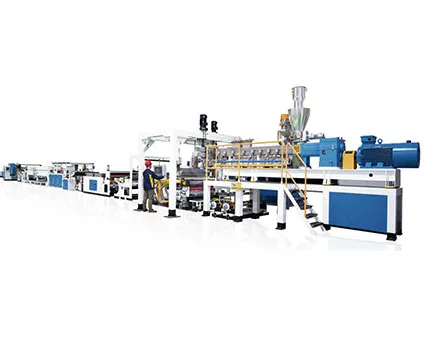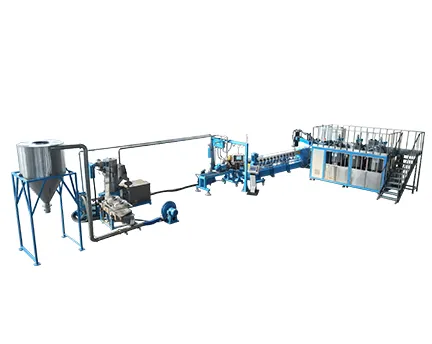
Changing TPE hardness grades means more than a formulation switch—it changes melt rheology, screw fill, torque and die resistance. A new ratio of polymer, oil, resin, filler or additives can alter viscosity, screw fill, torque and the resistance seen at the die or pelletizing section. If these variables shift simultaneously, melt pressure may overshoot, drop sharply or oscillate before the new grade achieves steady-state conditions.For TPE manufacturers, the goal is not to hold exactly the same pressure for every hardness grade. The real target is a smooth transfer from Grade A’s stable pressure window to Grade B’s—without surges, feeder imbalance or unnecessary scrap. JWELL describes TPE production routes that include premixing, partial premixing and separate feeding with loss-in-weight metering; these options are shown on its TPE thermoplastic elastomer compounding line page.
TPE hardness is commonly adjusted through formulation changes. On JWELL's TPE page, plasticizers are identified as components used to adjust hardness and flexibility, while fillers and other additives are also part of the formulation. When these proportions change, the compound can enter the twin-screw extruder with a different apparent viscosity and bulk-feeding behavior.
A softer grade may contain more oil or another plasticizing component and may generate lower resistance after mixing, while a harder or more highly filled grade may behave differently. The exact direction of the pressure change depends on the formulation, melt temperature, throughput, screw configuration and downstream flow resistance. For that reason, operators should treat pressure as a process response, not as a hardness indicator by itself.
A controlled hardness change works best when the line is adjusted in sequence rather than by changing several variables at once.
Lock the target formulation first. Confirm feeder setpoints for polymer, oil, filler, resin and additives before changing screw speed or barrel temperature.
Keep total throughput as steady as practical during the first part of the transition. A simultaneous throughput jump makes it harder to identify whether a pressure change comes from the new grade or from a higher fill level.
Coordinate loss-in-weight feeders. If the grade uses separate or partial-premix feeding, confirm that each stream reaches its new ratio together. JWELL also provides a dedicated twin-screw feeding and conveying system page for this part of the process.
Allow melt temperature to settle. A new formulation can change viscous heating, so the actual melt condition may lag behind the feeder change.
Judge pressure only after the new formulation has displaced the previous material through the relevant barrel sections and downstream flow path.
Related system: JWELL twin-screw extruder feeding system
One common response to a pressure spike is to immediately raise or lower screw speed. During a grade transition, that can hide the real cause. Temporary pressure excursions can originate from unsynchronized feeders, co-existence of old and new materials during transition, or delayed melt-temperature response. If screw speed is changed at the same time, the operator loses a useful reference point.
A better approach is to define an acceptable transition band for pressure, torque and melt temperature, then intervene only when the trend moves outside that band or fails to settle. The limits should come from the actual formulation and equipment trial data rather than from a generic pressure value.
Melt pressure is generated by the complete flow path. Even when the new TPE grade is feeding correctly, pressure can rise because of a fouled screen pack, restricted die, pelletizing-head condition or another downstream resistance. This is especially important when grade changes carry different filler levels or when a transition loosens deposits that later reach the screen area.
If a melt pump is installed in a particular line, it can help decouple downstream pressure delivery from some upstream fluctuations. However, a melt pump does not correct an unstable formulation, inaccurate feeding or poor melting. Pressure stabilization still begins with controlled material input and a consistent melt state.
Record the stable pressure, torque and melt-temperature window of the outgoing grade.
Load the new feeder ratios and verify each active feed stream before transition.
Keep throughput stable until the new material has reached the downstream pressure sensor.
Watch the pressure trend together with torque and melt temperature instead of reacting to a single value.
Inspect screen or die restriction if pressure remains high after formulation and temperature have stabilized.
Save the final steady-state settings as the baseline for the next change to the same hardness grade.
Not necessarily. Different formulations can have different viscosity and downstream resistance. Each grade should have its own validated stable pressure window.
Check feeder synchronization, actual material ratios, throughput and melt temperature before making large screw-speed changes. Then check the screen, die or pelletizing section for downstream restriction.
No. Pressure should be read together with torque, melt temperature, feeder performance and the required product-quality checks.
Stable TPE grade changes depend on controlling the transition, not forcing every hardness grade to the same pressure number. The most useful sequence is formulation first, synchronized feeding second, stable throughput and melt temperature third, and then downstream pressure evaluation. For manufacturers planning this type of process, JWELL TPE compounding equipment provides the relevant TPE formulation and process-flow context for twin-screw compounding.