Email Us

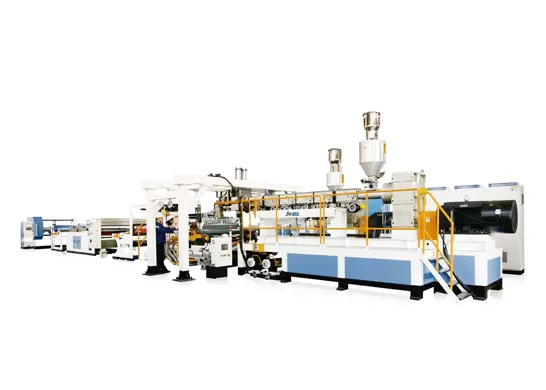
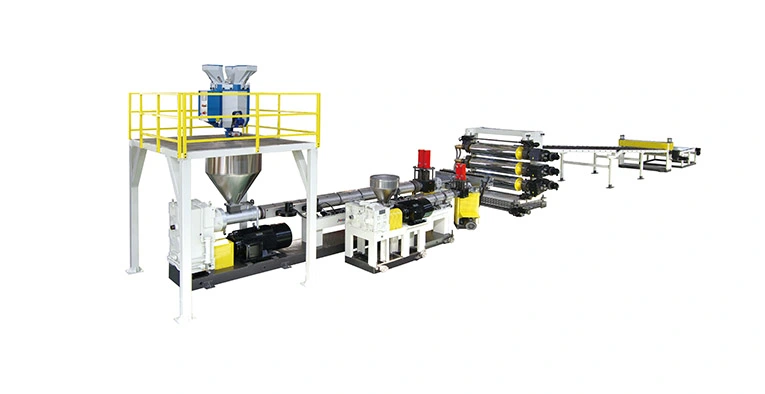
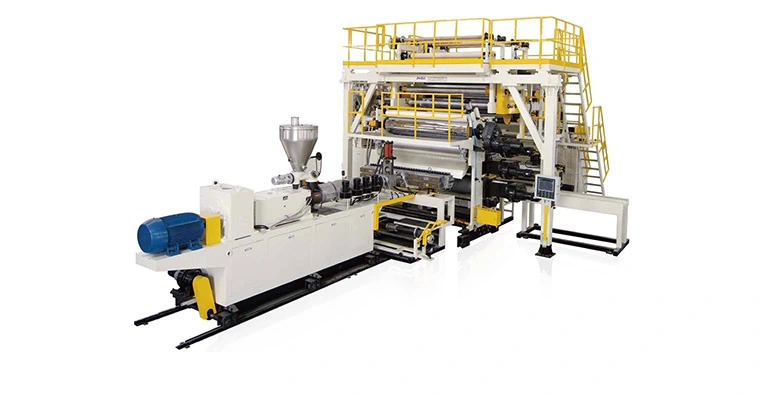
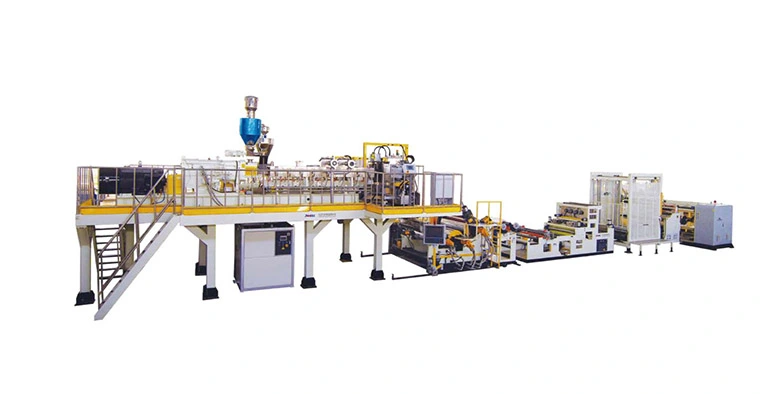
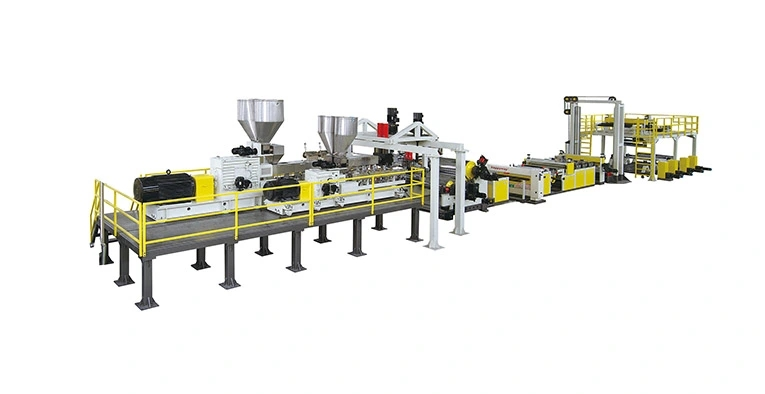
PET Sheet Twin Screw Extrusion Line

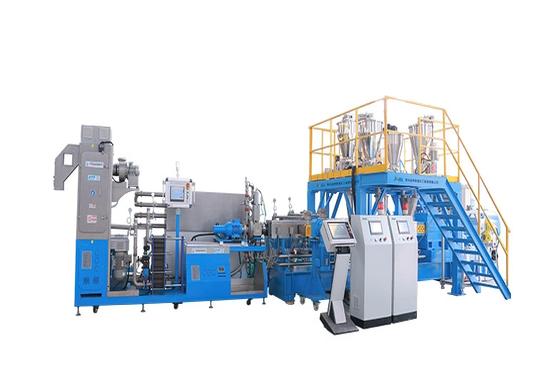
Turnkey PET & PETG Sheet Production — No Drying, Direct Twin Screw Extrusion
Core Advantages of JWELL PET Sheet Twin Screw Extrusion Line
  • • No Drying Required

    — Integrated vacuum venting system eliminates separate drying units, reducing capex and floor space

  • • High Output Production

    — Twin screw direct extrusion delivers 600-1200 kg/h in standard configurations

  • • Low PET Viscosity Loss

    — Segmented parallel twin screw design minimizes PET resin degradation

  • • Energy-Efficient Design

    — Optimized heating/cooling and thin-wall calendering rollers reduce power consumption

  • • Wide Material Compatibility

    — Virgin PET, recycled PET flakes (RPET), PETG, and masterbatch blends via multi-component metering

  • • Customizable Sheet Thickness & Width

    — 0.15-1.5 mm (PET), 0.2-2.0 mm (PETG), flexible width options

Types of PET Sheet Extrusion Line

Four configurations for different applications

Virgin PET Sheet Production Line

Virgin PET Sheet Production Line

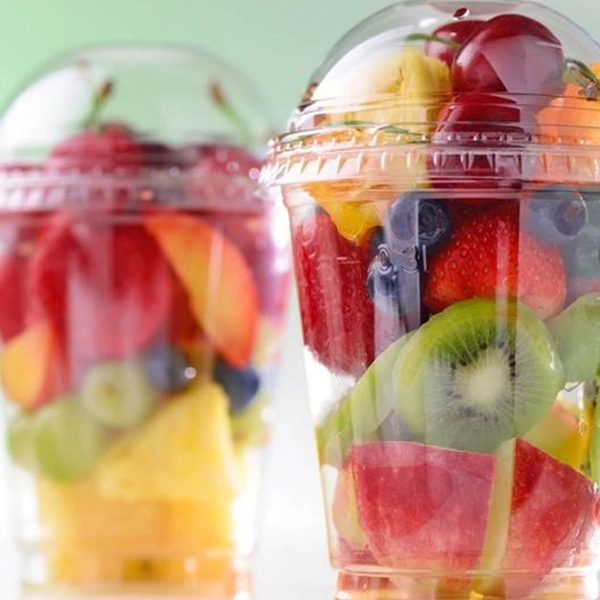
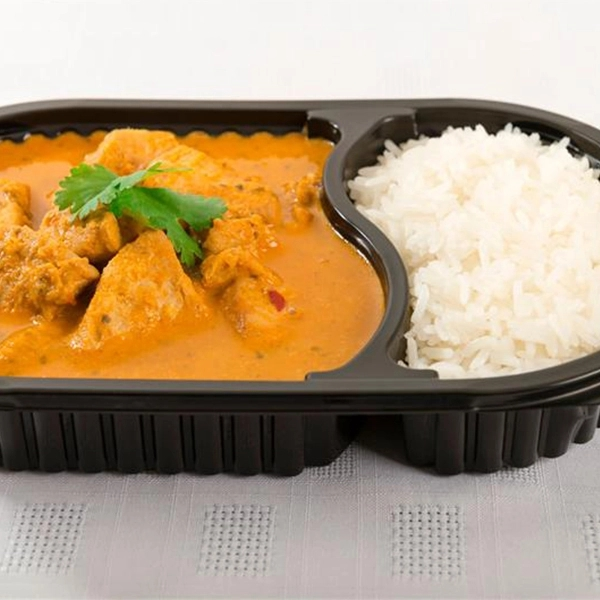
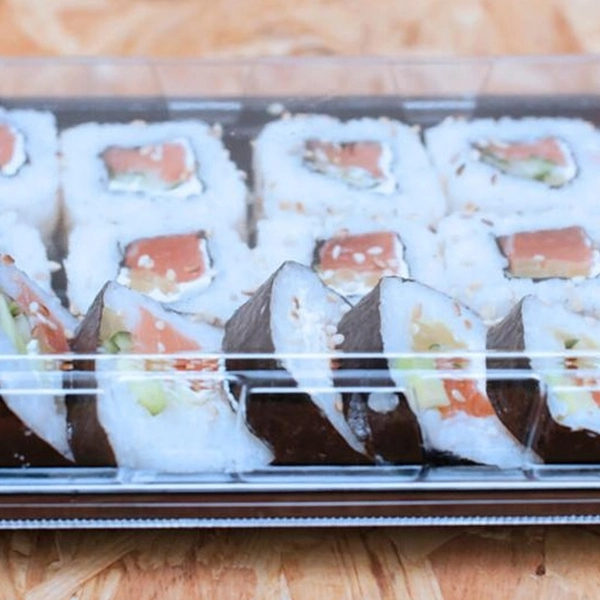
Designed for producing high-transparency PET sheets with excellent appearance and mechanical properties. Widely used in food packaging, medical packaging, and high-end thermoforming products.


Recycled PET Sheet Extrusion Line

Recycled PET Sheet Extrusion Line

Processes recycled PET flakes into quality sheets with integrated melting, filtration, and degassing.


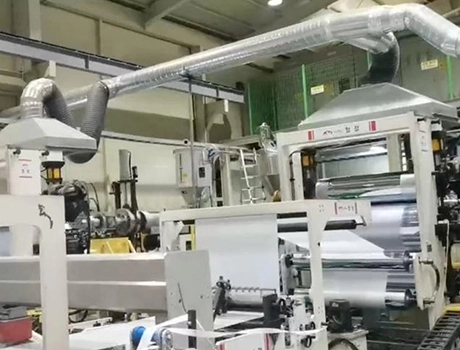
PET Thermoforming Sheet Production Line

PET Thermoforming Sheet Production Line

Optimized for applications requiring excellent forming performance, including disposable containers, trays, cups, and packaging products.

PETG Sheet Production Line

PETG Sheet Production Line

The same twin screw extrusion line processes PETG (PET modified with glycol) — an amorphous co-polyester with superior impact resistance, exceptional clarity, and easier thermoforming vs. standard PET. PETG sheets serve medical device packaging, cosmetic packaging, point-of-sale displays, and high-end consumer goods, and home decoration (cabinet panels, wardrobe doors, wall panels, kitchen backsplashes). JWELL's multi-zone temperature control ensures stable processing within PETG's narrow thermal window (230-260 C).

Specification of PET Extrusion Line


ModelExtruder ModelSheet Thickness (mm)Main Motor Power (kW)Capacity (kg/h)
Multi layerCJWH85/44 + CJWH52/440.15~1.5160 / 45600~700
Single layerCJWH85/440.15~1.5160 / 200500~600
High efficientCJWH95/44 + CJWH65/440.15~1.5315 / 551000~1200


Applications of PET & PETG Sheet Extrusion

Food Packaging

Food Packaging

Trays, containers, lids, fresh food packaging (PET)

Thermoforming Products

Thermoforming Products

— Cups, blister packaging, disposable containers (PET & PETG)

Medical Packaging

Medical Packaging

— Medical trays, sterile barrier packaging (PETG preferred for impact resistance & ISO 10993 compatibility)

Cosmetic & Display Packaging

Cosmetic & Display Packaging

— High-clarity folding cartons, POS displays, luxury brand packaging (PETG)

Home Decoration & Interior Design

Home Decoration & Interior Design

— Cabinet door panels, wardrobe sliding doors, 3D wall panels, kitchen backsplashes, bathroom partitions, high-gloss decorative panels (PETG)

Industrial Applications

Industrial Applications

— Electronic component trays, protective sheets

Key Technologies

Vacuum Venting & De-gassing System

Vacuum Venting & De-gassing System

Eliminates drying equipment. Removes moisture and volatiles fro

Segmented Parallel Twin Screw Structure

Segmented Parallel Twin Screw Structure

Zone-optimized screw segments for efficient melting, mixing, and homogenization with minimal viscosity loss.

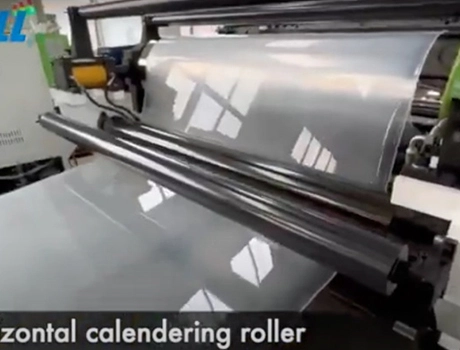
Symmetric Thin-Wall Calendering Rollers

Symmetric Thin-Wall Calendering Rollers

Uniform rapid cooling on both sides, improving sheet surface quality, transparency, and line speed.

Multi-Component Gravimetric Metering Feeder

Multi-Component Gravimetric Metering Feeder

Precise ratio control for virgin PET, RPET flakes, PETG resin, and masterbatch.

Precision T-Die & Automatic Thickness Control

Precision T-Die & Automatic Thickness Control

Uniform 0.15-1.5 mm (PET) / 0.2-2.0 mm (PETG) with excellent surface finish across full width.

Project Case

Additional Global References Available

Contact spencer zheng

infzs@jwell.cn

Why Choose JWELL — Company Advantages

Why Choose JWELL — Company Advantages
China's #1 Extrusion Company — 11 Consecutive Years

25+ years of extrusion expertise since 1997. 3,000+ employees, 

1,016+ Patents & Vertical Integration

Core components manufactured in-house: screws (founded "Jinhai Screw" brand 1978), barrels, rollers, T-dies. Precision CNC machining workshops ensure quality control and faster delivery.

Global Installations in 50+ Countries

Lines operating across Europe, Middle East, Asia, Africa, and Americas. Key projects: PE 1600mm trans-sea pipeline, PET sheet lines for European and Middle East packaging leaders 

Strategic Partnerships & Certifications

  • Acquired Kautex — renowned German extrusion brand

  • Joint laboratory with SABIC for advanced material R&D

  • ISO-certified manufacturing

  •  2,000+ advanced extrusion lines delivered worldwide


Complete Turnkey Service

Raw material testing → line customization → factory layout → installation & commissioning → operator training → after-sales support. Thailand manufacturing base for faster APAC/MEA delivery.

PET Processing on JWELL Twin Screw Line

The same twin screw extrusion line processes both PET and PETG

Key PET Processing Features

  • • Segmented Screw Optimization

    Modified screw configuration for PETG's higher melt viscosity

  • • Precise Multi-Zone Temperature Control

    PETG narrow processing window (230-260 C) handled reliably

  • • Vacuum Venting

    Moisture removal without pre-drying, same as PET

  • • Anti-Stick Roller Surface

    Optional coating prevents PETG sheet adhesion

  • • Common PETG Sheet Specs

    Thickness 0.2-2.0 mm. 

  • • Applications

    Medical device packaging, cosmetic folding cartons, electronic trays, credit card overlays, POS displays, and home decoration panels (cabinet doors, wall panels, decorative surfaces).

  • •Market driver

    replacing PVC in medical/cosmetic packaging.

PET Processing on JWELL Twin Screw Line

What's the Difference: PET vs APET vs CPET vs RPET?

Not all PET materials are the same. Understanding the differences between PETG, APET, CPET, and RPET is essential when choosing the right sheet extrusion solution for your application. Below is a comparison across key technical parameters: IV (Intrinsic Viscosity), melt temperature, mechanical strength, and processing characteristics.

IV (Intrinsic Viscosity)

IV (Intrinsic Viscosity)

— Measures polymer molecular weight. Higher IV = higher molecular weight = better mechanical properties but harder to process.

Tg (Glass Transition Temperature)

Tg (Glass Transition Temperature)

Temperature at which the material transitions from rigid to rubbery state.

Tm (Melting Point)

Tm (Melting Point)

Temperature at which crystalline regions melt. Amorphous materials (APET, PETG) have no distinct Tm.

ParameterPETGAPETCPETRPET
Full NamePET Glycol-modifiedAmorphous PETCrystalline PETRecycled PET
IV (dL/g)0.65-0.800.70-0.800.80-1.000.55-0.80
Tg (Glass Transition)~77 C~70 C~80 C67-81 C
Tm (Melting Point)None (amorphous)245-255 C255-265 C245-260 C
Processing Temp.220-260 C260-280 C270-290 C + crystallization260-280 C
Crystallinity<5% (non-crystalline)<5% (rapid cooling required)30-45% (nucleated)25-40%
Tensile Strength (MPa)28-5345-6055-8045-70
Elongation at Break (%)100-20020-10010-5030-150
Flexural Modulus (MPa)1,700-2,1002,500-3,0003,000-4,0002,500-3,400
TransparencyExcellent (crystal clear)Excellent (crystal clear)Opaque (white/black)Semi-transparent
Heat ResistanceLow (~70 C)Low (~70 C)Excellent (220 C+)Moderate
ThermoformabilityExcellent (easiest)GoodPoor (requires high temp)Good
Typical Thickness (mm)0.2-2.00.15-1.50.3-2.00.15-1.5
Key AdvantageToughness + clarity + easy processingFood-grade clarity + cost-effectiveDual-ovenable (microwave + oven)Sustainable + lower cost
Typical ApplicationsMedical packaging
Cosmetic packaging
POS displays
Home decoration panels
Electronic trays
Food trays & containers
Blister packaging
Clamshell packaging
Clear folding cartons
Microwave meal trays
Oven-ready containers
Airline meal trays
Frozen food packaging
Recycled bottles
RPET packaging sheets
Textile fibers
Strapping
JWELL Line Compatible?Yes (same twin screw line)Yes (same twin screw line)Yes (with crystallization unit)Yes (with filtration + degassing)


Summary for Sheet Extrusion Buyers

• Choose PETG if you need maximum clarity + impact resistance + easy thermoforming (medical, cosmetic, display, home decoration)

• Choose APET if you need food-grade clarity at lower cost for standard packaging (trays, blisters, clamshells)

• Choose CPET if your sheets must withstand microwave/oven temperatures (meal trays, airline catering)

• Choose RPET if sustainability and cost are priorities, with acceptable clarity/toughness trade-offs

JWELL Advantage: All four material types can be produced on JWELL twin screw extrusion lines with appropriate configuration. The same base platform handles PETG and APET with simple parameter changes. CPET requires an optional crystallization station, and RPET benefits from enhanced filtration and degassing modules. Contact salcs@jwell.cn to discuss your specific material and application requirements.

PET Material Classification — Detailed Characteristics Overview

APET (Amorphous PET)

APET (Amorphous PET)

Features — Transparent, good gloss, easy to process. Relatively weak heat resistance and impact resistance compared to CPET.


Applications — Mainly used for food packaging — beverage bottles, food boxes, blister products (blister shells, trays, clamshell containers). Ideal for applications requiring crystal-clear visibility of the packaged product.


RPET (Recycled PET)

RPET (Recycled PET)


Features — Made from recycled PET bottle flakes/flakes. Environmentally friendly, reduces demand for virgin PET. Lower carbon footprint, supports circular economy goals. Mechanical properties slightly lower than virgin PET but sufficient for most packaging applications.


Applications — New bottles (bottle-to-bottle recycling), containers, packaging materials, textile fibers, strapping, sheet extrusion for thermoformed packaging.


PETG (PET Glycol-modified)

PETG (PET Glycol-modified)

Features — Glycol modification gives PETG superior toughness and impact resistance. Better heat resistance than APET, excellent thermoforming properties, crystal-clear transparency. No crystallization issues — easier to process, no drying required. Can be bonded, die-cut, and printed easily.


Applications — Medical device packaging (sterile trays), electronic product packaging, POS display racks, cosmetic packaging, home decoration panels (cabinet doors, wall panels), labels and signage, high-end folding cartons.


CPET (Crystalline PET)

CPET (Crystalline PET)

Features —  Achieved through nucleation and controlled crystallization. High heat resistance — withstands microwave and conventional oven temperatures (up to 220 C). Opaque appearance (typically white or black). Excellent dimensional stability at elevated temperatures. Higher mechanical strength than amorphous variants.


Applications —  Dual-ovenable meal trays (microwave + oven), airline meal containers, frozen food packaging, ready-meal trays. The go-to material when heat resistance is non-negotiable.


0ther PET Process

JWELL Recycling Crusher Machine

JWELL Recycling Crusher Machine

JWELL Recycling Shredder Machine

JWELL Recycling Shredder Machine

PP PE Recycling Flakes Washing Machine

PP PE Recycling Flakes Washing Machine

FAQs

?
What is a PET sheet twin screw extrusion line?

A PET sheet extrusion line is a complete production system used to melt, extrude, form, and process PET materials into continuous sheets for packaging and industrial applications.

?
How does twin screw compare to single screw for PET?

Twin screw eliminates pre-drying equipment, provides better mixing and degassing, reduces viscosity loss, and achieves higher output.

?
Can this line process RPET and PETG?

Yes. Multi-component metering feeder handles blends of virgin PET, RPET flakes, and PETG. Vacuum venting removes contaminants from recycled materials.

?
What thickness can be produced?

PET: 0.15-1.5 mm. PETG: 0.2-2.0 mm. Width is customizable.

?
What are the production capacities?

Single layer ~600 kg/h | Multi-layer 600-800 kg/h | High efficiency 1000-1200 kg/h

?
How to choose the right configuration?

Depends on material type, sheet specs, output target, and application. Contact infzs@jwell.cn for customized recommendation.

?
What about delivery and installation?

JWELL provides complete turnkey service including installation, commissioning, and training. Contact for project-specific timelines.

Need a Customized Masterbatch Solution?

Need a Customized Masterbatch Solution?

Tell us yourmaterial, output capacity and application requirements.

Our engineers will recommend the best masterbatch extrusion solution for you.


JWELL News
A Well‑Established Quality Assurance & Control Team
2026.09.04
A Well‑Established Quality Assurance & Control Team
We have established an ISO9001 quality management system to strictly control parts quality and installation precision.
Read More
ABS Plate Extrusion Machine: A Guide to Plate Extrusion Equipment and Thermoforming
2026.08.18
ABS Plate Extrusion Machine: A Guide to Plate Extrusion Equipment and Thermoforming
ABS plate extrusion machines produce flat thermoplastic sheets with controlled thickness for thermoforming into automotive parts, appliances, sanitaryware, luggage, and advertising products, requiring complete lines for feeding, melting, die extrusion, cooling, and stacking, with JWELL offering integrated solutions for ABS and other materials.
Read More
Preparation Technology and Modification Methods of Ultra-High Molecular Weight Polyethylene Fibers
2026.03.11
Preparation Technology and Modification Methods of Ultra-High Molecular Weight Polyethylene Fibers
Ultra-high molecular weight polyethylene (UHMWPE) fibers generally refer to fibers spun from UHMWPE resins with a molecular weight of 1,000,000 to 5,000,000. As the third generation of high-performanc...
Read More