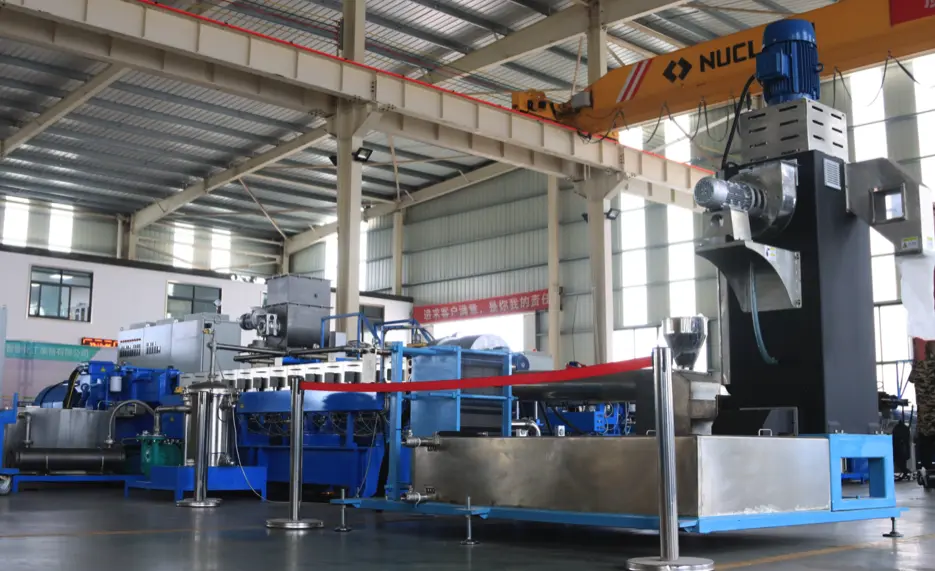
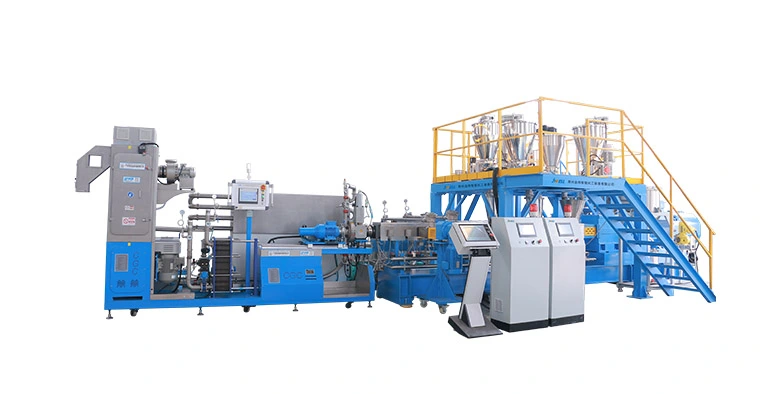
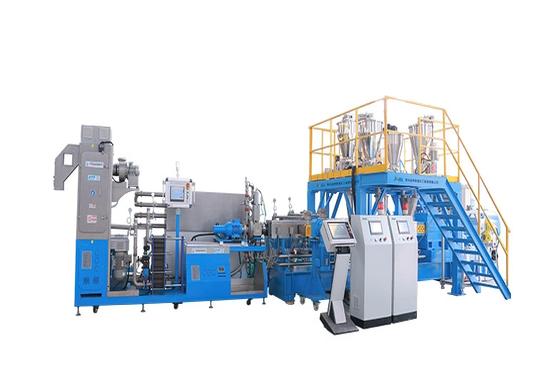
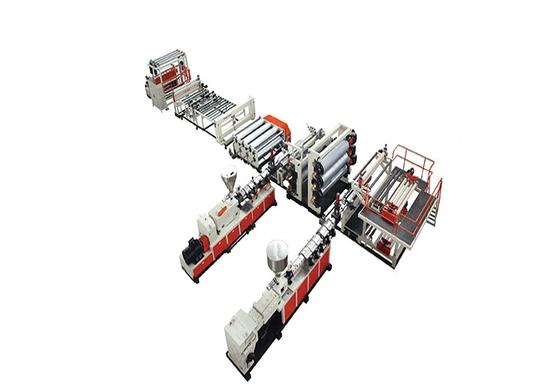
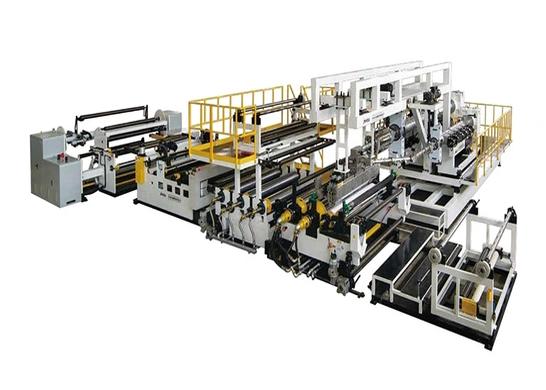
Discover unparalleled precision and efficiency in masterbatch production with JWELL Masterbatch Extrusion solutions. JWELL range includes high-filler masterbatch extrusion lines, color masterbatch production lines, and bio-plastic compounding machines,Black masterbatch production lines, white masterbatch production line, additives masterbatch line. Engineered for excellence, JWELL extruders ensure uniform dispersion of additives, precise color matching, and consistent quality in every batch. From enhancing the properties of plastics to enabling sustainable solutions, JWELL Masterbatch Extrusion technology meets the diverse needs of industries worldwide.
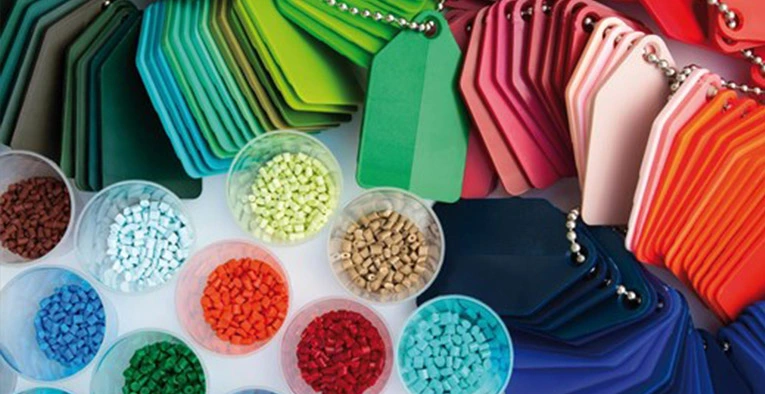
JWELL provide systems for custom color and color concentrate“masterbatch” application
Masterbatch is a solid or liquid additive for plastic used for coloring plastics (color masterbatch)
or improving other properties of plastics (additive masterbatch). Masterbatch is a concentrated
mixture of pigments and/or additives (20-90%) encapsulated during a heat process into a carrier
resin which is post-cooled and cut into a granular shape. Masterbatches are available in a wide
range of carrier resins: PE, PP, PS, SAN, PMMA, ABS, PET, PBT, PLA, PA, PES, EVA, TPU and
bio-resins.
The aim of masterbatch production is the optimum incorporation of additives in the polymer matrix.
The fine and powdery bulk material often tends to agglomerate and therefore it is difficult to work
with.
Co-rotating twin screw extruder is the main component of a masterbatch line. It fulfills the task of
homogenizing, dispersing (splitting of the agglomerates), wetting and distributing the pigments/
additives/fillers in the polymer matrix. This is done either via premix or split feed or a color-matching
process.
Green Solutions: Bio-Plastic Compounding for Sustainable Manufacturing
As the world shifts towards sustainability, bio-plastics have emerged as a promising alternative to conventional plastics. JWELL Bio-Plastic Compounding Machines are at the forefront of this green revolution, enabling the production of bio-based masterbatches with superior properties and performance. By blending bio-resins with natural additives and fillers, JWELL extrusion technology creates bio-plastic compounds that are biodegradable, compostable, and renewable. These compounds find applications in a wide range of industries, from packaging to automotive, contributing to reduced carbon footprint and environmental preservation. Learn how JWELL Machinery bio-plastic compounding solutions are driving sustainable manufacturing practices and paving the way for a greener future.

 EN
EN